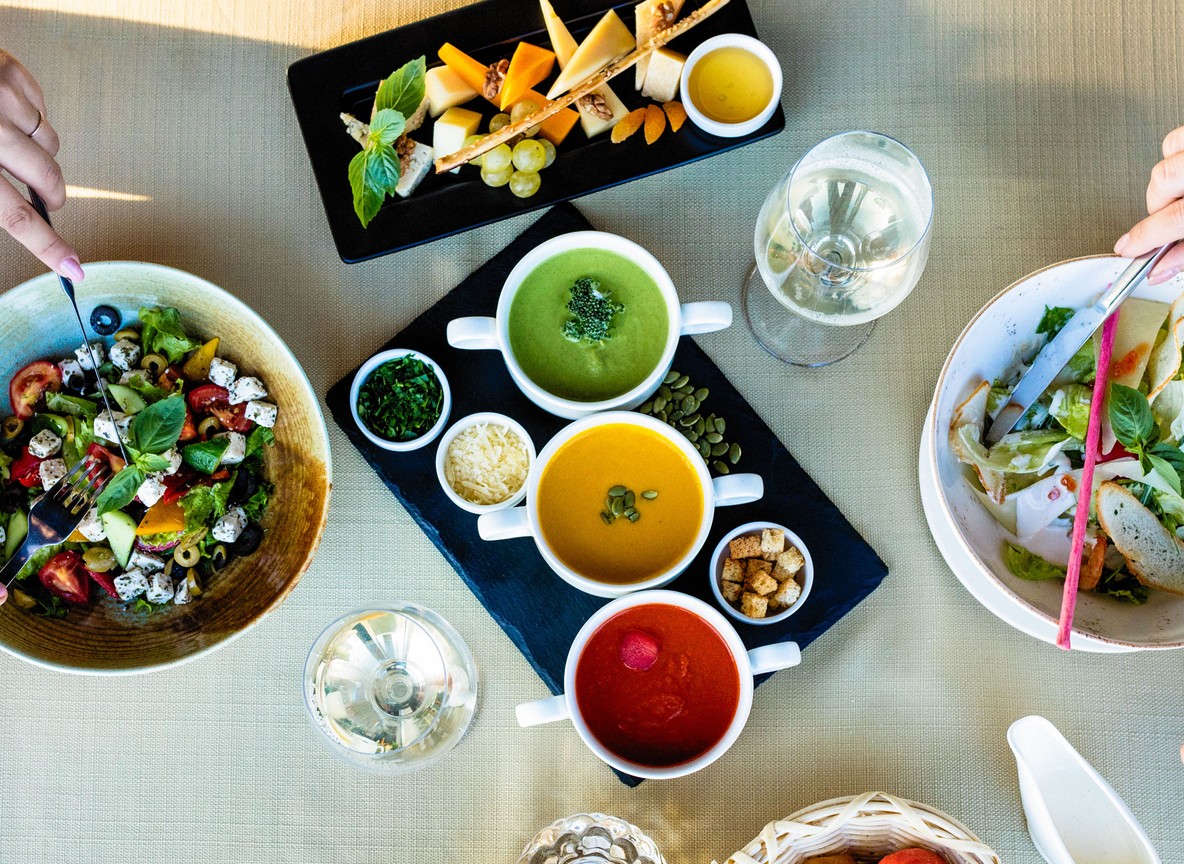
Most safari menus are built around what the kitchen can source that week: goat stew, fresh bread, maybe a curry. A small group of Kenya camps do something different. They design meals with a stated health goal in mind. Some bring in a working nutritionist. They treat the plate as part of the wellness program, not a break between game drives. Touring Insights looked at four camps that go furthest with this. Here is what their kitchens actually serve, and what it costs to stay there.
What Makes a Menu “Wellness,” Not Just “Healthy”
A wellness menu is more than a vegetarian option on a standard menu card. At the camps below, food choices connect to a broader program. That might be a spa retreat, a farm on site, or a stated sustainability goal. Some involve an outside nutrition specialist who helped design the format. Others lean on a head chef working closely with an organic garden a few steps from the kitchen. Either way, the food is planned, not improvised.
This matters for travelers managing a specific diet or recovering from travel fatigue. It also matters if you just want proof that “wellness safari” is more than marketing language. Below are four Kenya camps where the kitchen backs up that claim with specifics.
Sasaab: A Nutritional Therapist-Designed Wellness Menu in Samburu
Sasaab sits on the banks of the Ewaso Ng’iro River in Samburu, run by The Safari Collection. Its Wilderness Wellness Retreat is built around a partnership with Heather Cuthbert, a nutritional therapist and therapeutic chef. The camp’s executive chef works from menus designed to support the retreat’s health goals, not a standard safari dinner rotation. A yoga instructor and wellness practitioner lead daily sessions alongside the food program. Meals are timed to fit that retreat schedule, not the other way around.
This is the most explicitly clinical of the four approaches. If a named nutrition professional shaping the menu matters to you, check Sasaab first. Confirm current retreat dates directly, since the Wilderness Wellness Retreat runs on a set calendar, not every week.
Segera: Organic, Home-Grown Dining Inside a Wellness Retreat
Segera sits on roughly 50,000 acres of the Laikipia Plateau, owned by the Zeitz Foundation. Meals draw on the property’s own organic garden and dairy. The retreat wing pairs that home-grown cooking with a dedicated wellness center, including a spa, a Rasul steam tower, and a gym. Dishes follow guest dietary requirements while staying tied to what the farm actually produces that week.
Segera’s food program is less about a single nutritionist’s plan and more about proximity. The vegetables on the plate are often picked within the hour. That “wellness” claim rests on freshness and control over ingredients, not a formal clinical menu.
Angama Mara: Kitchen-Garden Cooking With Full Dietary Flexibility
Angama Mara sits on the Oloololo Escarpment above the Mara Triangle. Head Chef Evans Ondara runs the kitchen alongside a one-acre garden guests can pick from themselves for lunch salads. Close to a third of the standing menu is vegetarian. The lodge also maintains a separate kosher kitchen, fully equipped apart from the main one. It says it can handle low-sodium, halal, allergy, and other specific dietary requests without advance drama.
Angama’s wellness angle is less about a retreat calendar and more about consistent, flexible cooking any guest can rely on. A fitness room and pool cover the physical side of a wellness stay.
Emboo River Camp: A Vegan-First Menu Built Into a Zero-Waste Camp
Emboo River Camp, inside the Masai Mara National Reserve, runs its kitchen on a vegan-first standard. Every dish starts as a vegan version; vegetarian or meat options are prepared only on request. Ingredients come from the camp’s own hydroponic and vertical gardens, described as growing produce about 100 steps from the dining table. Food waste is converted into biogas and fertilizer on site, part of Emboo’s wider push to be a zero-waste operation.
This is the most restrictive default of the four camps. It is also the clearest example of a menu built around a stated principle rather than variety. Guests who want vegetarian, gluten-free, or standard meat dishes can still get them, just by asking.
Which Wellness Menu Fits Your Trip
| Camp | Region | Wellness Menu Approach | Who It Suits |
|---|---|---|---|
| Sasaab | Samburu | Nutritional therapist-designed retreat menu (Heather Cuthbert), paired with yoga and spa | Guests wanting a structured, clinically-informed program |
| Segera | Laikipia | Organic, home-grown cuisine tied to on-site farm and dairy, wellness center | Guests wanting fresh, farm-driven food without a strict format |
| Angama Mara | Masai Mara (Oloololo Escarpment) | Kitchen-garden cooking, ~1/3 vegetarian menu, separate kosher kitchen | Guests with specific dietary needs (kosher, halal, allergies) |
| Emboo River Camp | Masai Mara National Reserve | Vegan-first default, hydroponic garden, zero-waste kitchen | Guests prioritizing plant-based eating and sustainability |
Getting There: Distances, Flights, and Fees
Real planning numbers matter more than marketing copy once you are choosing between camps in different regions. The table below covers the route to each.
| Route or Fee | Distance or Time | Notes |
|---|---|---|
| Nairobi (Wilson Airport) to Samburu airstrips (for Sasaab) | ~1-1.25 hr flight | Kalama and Samburu Oryx airstrips serve the reserve |
| Nairobi to Samburu by road | ~310 km, 5-6 hours | Via Thika Superhighway and Isiolo |
| Nairobi to Segera airstrip (Laikipia) | ~50-55 min flight | Daily scheduled light-aircraft routes |
| Nairobi to Segera by road | ~280 km, 5-6 hours | Via Nyeri and Nanyuki |
| Nairobi to Masai Mara airstrips (for Angama, Emboo) | ~45 min-1 hr flight | Serves Kichwa Tembo, Ol Kiombo, and other Mara airstrips |
| Nairobi to Masai Mara by road | ~270 km, 5-6 hours | Via Narok, partly unpaved near the reserve |
| Masai Mara National Reserve entry (non-resident adult, 24 hr) | indicative $100-$200, confirm current KWS/county rate | Fee has moved within 2026; verify before travel |
| Samburu National Reserve entry (non-resident adult, 24 hr) | indicative $85 | Flat year-round rate as commonly published |
| Segera conservancy fee | indicative $90-120 per person, per night | Usually bundled into the nightly rate |
| Nightly rate range (Sasaab, Segera, Angama) | indicative $700-1,600 per person, full board | Confirm directly; luxury tier, moves by season |
| Nightly rate range (Emboo River Camp) | indicative $300-550 per person, full board | Positioned as accessible eco-luxury, not ultra-high-end |
Treat every fee and rate above as a planning range, not a quote. Park and conservancy fees change with little notice, and camp rates shift by season and demand. Confirm current numbers with the camp or a partner operator before booking.
Explorer Notes
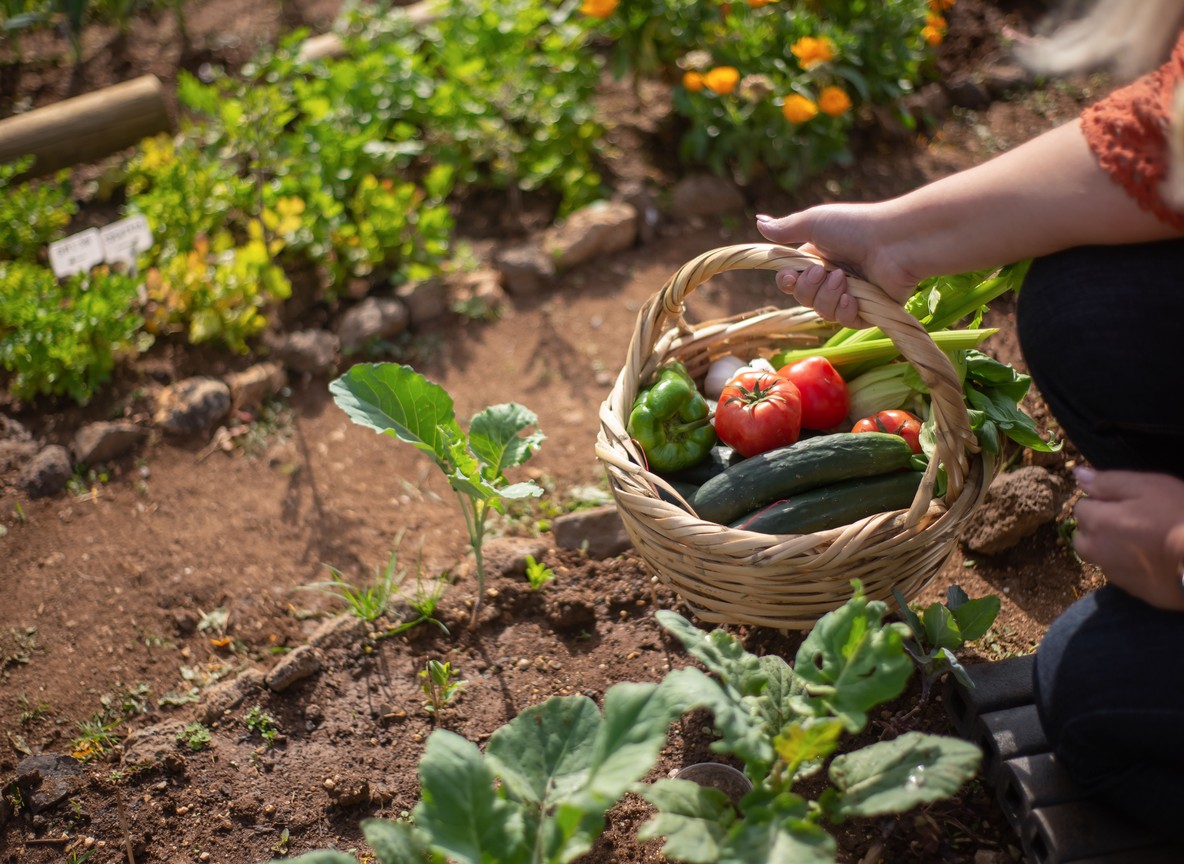
Ask which meals actually rotate with the garden and which are fixed on a printed menu. At camps like Angama and Segera, the kitchen garden genuinely drives daily specials. The best plates often are not on the standard card at all, they are whatever the chef found that morning. At Sasaab, ask in advance whether your stay overlaps with a scheduled Wilderness Wellness Retreat date. The full nutritionist-designed program runs on its own calendar, not every night of the year. If a strict vegan or zero-waste kitchen matters to you, call Emboo ahead even outside a wellness-specific trip, since the default menu already matches that brief. Combining a wellness stay with a fast-moving multi-park itinerary? Budget at least two full days at any one camp. A single overnight barely lets the kitchen or the spa schedule adjust to you.
What to Read Next
- Comparing the yoga and meditation side of wellness safaris? See our Segera wellness safari guide for the daily program and full Laikipia logistics.
- Want spa treatments and costs across more Kenya lodges? Read our safari spa treatments guide.
- New to wellness-focused camps generally? Start with our yoga and wellness programs guide.
FAQ
Which Kenya safari camp has a nutritionist-designed menu? Sasaab, in Samburu, partners with nutritional therapist and therapeutic chef Heather Cuthbert for its Wilderness Wellness Retreat. Designed menus pair with yoga and spa sessions on a set retreat calendar.
Do any Kenya camps offer a fully vegan menu by default? Yes. Emboo River Camp, inside the Masai Mara National Reserve, runs a vegan-first kitchen. Vegetarian or meat dishes are prepared only on request, sourced from its own hydroponic and vertical gardens.
Can these camps handle kosher, halal, or allergy needs? Angama Mara maintains a separate, fully-equipped kosher kitchen apart from its main one and says it can accommodate halal, low-sodium, and allergy requests. Ask any of the four camps in advance to confirm current capacity for your specific need.
Is a wellness menu more expensive than a standard safari camp stay? Not necessarily because of the food itself. These four camps sit at different price tiers already. Emboo is positioned as accessible eco-luxury, while Sasaab, Segera, and Angama sit at the higher end regardless of the wellness program.
How far in advance should I book a wellness-focused stay? Book several months ahead if you want to align with a structured program like Sasaab’s Wilderness Wellness Retreat, since those dates are limited. Camps with an everyday wellness-minded kitchen, like Angama or Emboo, are more flexible on timing.
None of these camps are ones Touring Insights operates or books directly. If a wellness-menu stay fits your itinerary, visit our Tour Packages page to see which partner operators currently include Sasaab, Segera, Angama Mara, or Emboo. Or ask directly which camp matches your dietary needs before you commit to dates.
Further reading
- Magical Kenya (Kenya Tourism Board)
- Kenya Wildlife Service
- Maasai Mara Wildlife Conservancies Association